High school is an exciting time as students begin exploring the many educational and career pathways available after graduation. With so many options, however, it can be challenging to identify opportunities that best align with their interests and future goals. To help students explore the rewarding field of allied health care, the Mayo Clinic School of Health Sciences offers its Career Immersion Program (CIP).
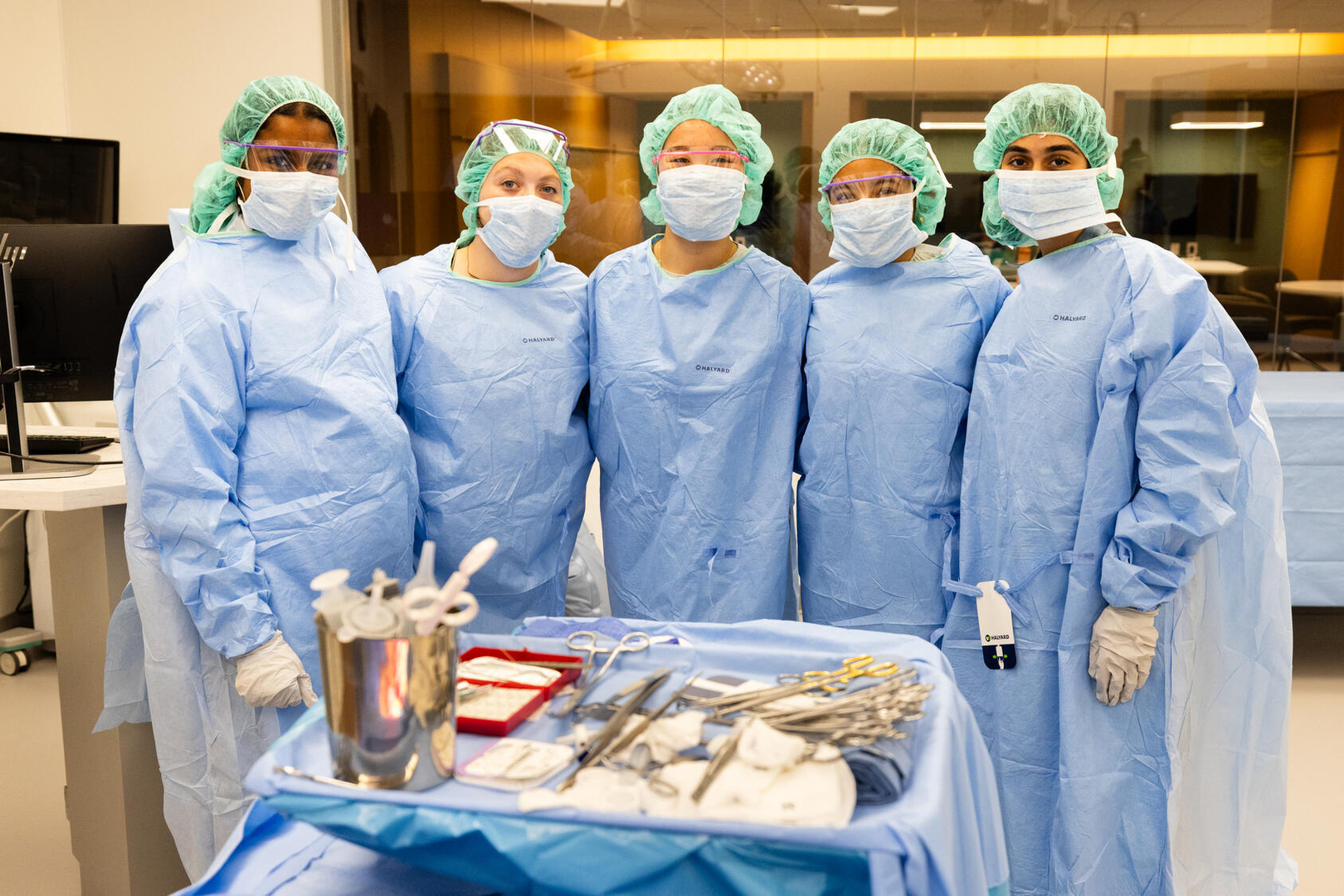
Established in 2016, CIP introduces high school students to a wide range of allied health careers, including sonography, phlebotomy, respiratory care, and more. During the four-day summer program, students gain hands-on experience and valuable insight into the many roles that contribute to patient care, helping them better understand potential career paths in health care.
As CIP celebrates its 10-year anniversary, we spoke with Brad Karon, M.D., Ph.D., dean of the Mayo Clinic School of Health Sciences, about the program’s origins, evolution and impact on students over the past decade.
Q: Take us back to the beginning—what was the original vision behind the Career Immersion Program, and what gap was it designed to fill?
Dr. Karon: Our original vision was to attract more Minnesota high school students to health science careers, particularly underrepresented students in medicine and those with STEM or health science interests. The gap was creating awareness of health science careers and giving enough exposure before Minnesota high school students went to college and started pursuing careers in medicine, respiratory care, pharmacy, or the better-known allied health careers.
Q: With 409 students inspired and over 140 Minnesota high schools represented, what does that geographic reach tell you about the program’s impact across the state?
Dr. Karon: We have reached high school students in nearly every part of the state, with a few being bused or driving a great distance from northern Minnesota. We hope that has inspired students across the state to pursue training and/or careers in health sciences, or to consider working at a local medical center. We can track the CIP alums who applied at one of our Mayo Rochester programs or took a job at a Mayo facility. That group is mostly concentrated in Southeast Minnesota, though we have success stories across the state.
Q: Nearly 60 CIP alumni have entered Mayo Clinic’s workforce, and 45 have returned as students in a Mayo Clinic College of Medicine and Science program. What is it like to see that full-circle journey happen?
Dr. Karon: It is extremely rewarding. As Dean, I speak at several MCSHS graduation ceremonies each year, and it is always heartwarming to speak with CIP alums graduating from one of our programs. Over time, I have seen some graduate from multiple MCSHS programs. It was also meaningful to speak with alums at the 10-year reunion, all of whom gained a lot from the CIP experience and feel it has changed their trajectory, even if they are a few years away from enrolling in one of our programs.
Q: Of all the statistics from this decade, which one surprised or moved you the most, and why?
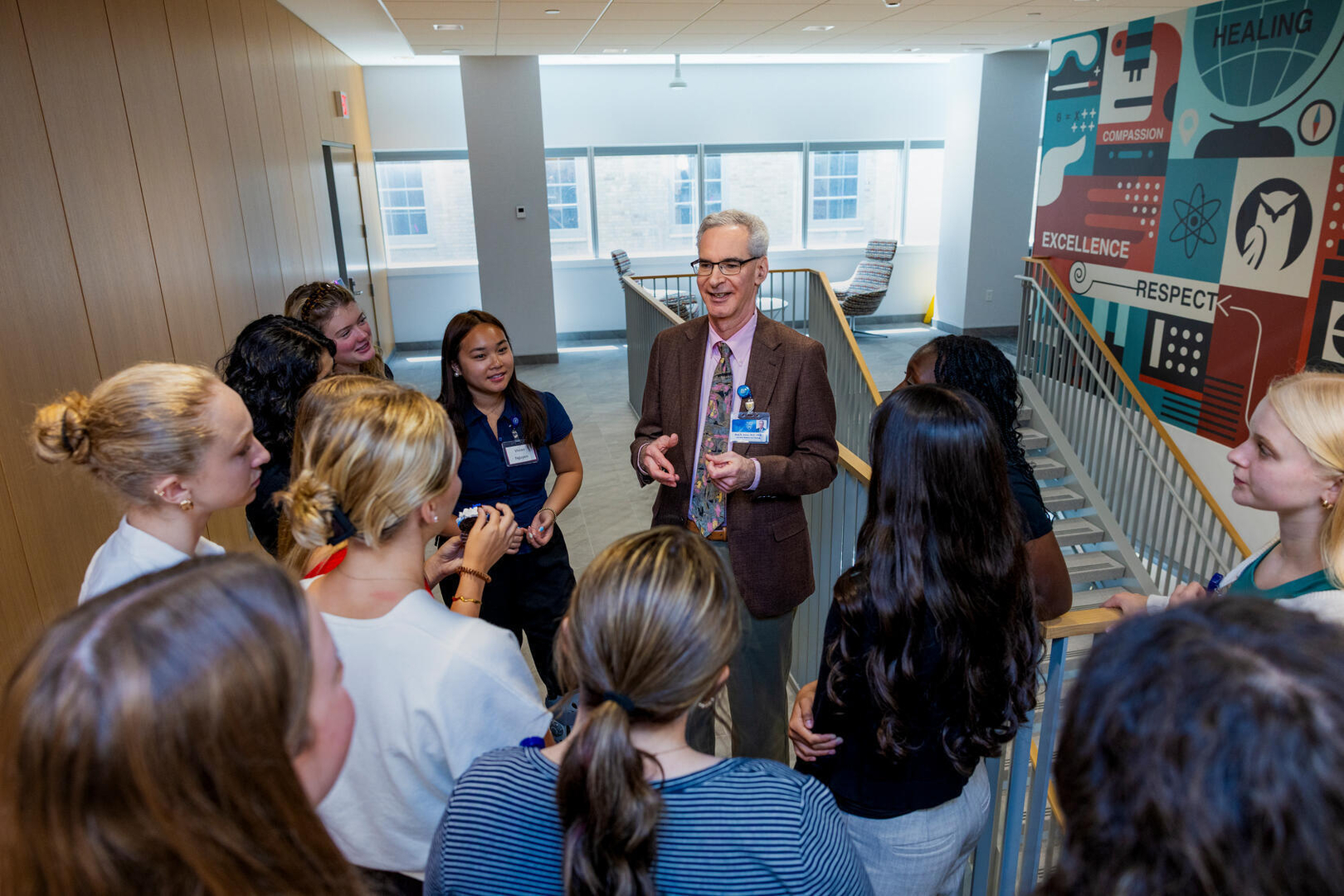
Dr. Karon: I would say the sheer number of students who have come through the program in a decade. I remember thinking that hosting 40 high school students for four to five days on campus and in town would be an enormous undertaking. Looking back, giving 409 students this intensive, hands-on opportunity to learn about our professions and school is very moving.
Q: Can you share a specific story or moment from a student or alum that captures what this program is really about?
Dr. Karon: I can share a few, including one story that’s a bit biased, based on my pathology practice. Several years ago, a student came in, and we started talking about training for a pathologist assistant role, a program we offer but don’t highlight during CIP. I connected the student with our program director, and the student ended the week highly motivated to pursue this training. Another moment this year was seeing the faces of the students participating in the surgical first assist virtual reality session. One of our MCSHS associate deans, Dr. Grace Knuttinen, created a team to bring the operating room to students through a new experiential learning tool. I also wore the virtual reality goggles and understood how they were blown away; it was very cool, and it showed on the faces of those in the room with me.
Q: For students who came in unsure about healthcare as a path, what tends to be the turning point?
Dr. Karon: One of the main points in starting CIP was to create early awareness that learners do not need to go through undergraduate education, medical school, then three to seven years of residency and fellowship to become critical members of the health care team. The future of health care is the allied health workforce. Seeing that lightbulb go off, showing the many paths to enter healthcare, and the opportunities to keep progressing in a health care field or explore other modalities while working in healthcare was the turning point.
Q: What was it like bringing CIP alums back together for the 10-Year Reunion in June? Were there any moments or conversations that stood out?
Dr. Karon: I spoke with several alums at the reunion, and what struck me is that learners who are still finishing high school or college, and have not yet entered a program or even started a health care career, were genuinely impacted by the CIP program, which influenced their thinking on future careers and possibilities.
Q: This milestone wouldn’t happen without program directors, faculty, and staff—what has it taken behind the scenes to sustain CIP for a decade?
Dr. Karon: The efforts each year by our program directors, faculty and current students are amazing. Current MCSHS learners often are our best selling point, and they have stepped up year after year. Our program directors put so much effort into recruiting nearly year-round, but they continue to bring special energy and enthusiasm to CIP. Last, but certainly not least, it is an enormous undertaking for our MCSHS staff. They take turns chaperoning overnight at the hotel, escorting students to, from, and around campus, arranging meals, and much more. Our staff gives up a week of their lives (if not more) each year to pull off CIP, and I can’t thank them enough.
Q: With the welcoming of the tenth cohort, what are your hopes for the next 10 years?
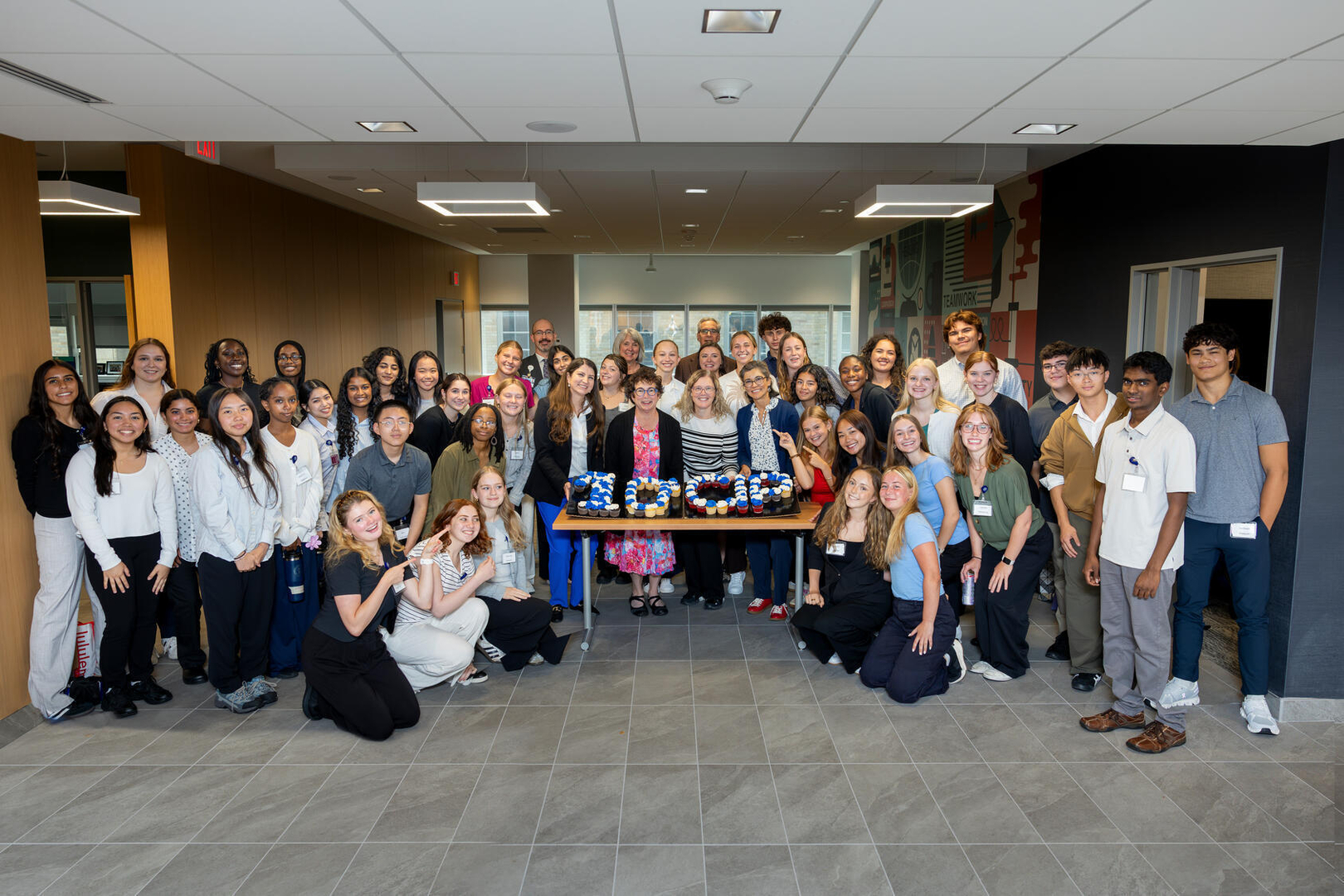
Dr. Karon: Attracting and retaining the allied health workforce for Mayo Clinic of the future is a major focus for MCSHS. I hope we can continue reaching high school students in Minnesota through CIP, and students in Arizona and Florida through local pathway programs. We are actively experimenting with new outreach methods and approaches to introduce health science career pathways to new learners in memorable, impactful ways.
Q: For MCSHS alums reading this, what’s one way they can stay connected to or support the next generation of CIP students?
Dr. Karon: That is a great question. Our CIP students thrive on the hands-on activities our current MCSHS learners guide them through in the sessions. This also gives CIP learners a chance to ask MCSHS students for informal recommendations on high school classes they should take to prepare for healthcare careers. That volunteerism we see from program directors and their current learners during CIP and the fall MCSHS open house is key.
We also have an amazing Mayo Clinic School of Health Sciences Alumni Association, our Connections blog, an annual meeting planned for April 9 (2027) in Phoenix, and we’re introducing virtual Lunch & Learn sessions to maintain connections across MCSHS and with MCSHS alums.