When Allison Henning was exploring healthcare career options, she was drawn to work that combined technical skill, teamwork and direct involvement in patient care. That search led her to Mayo Clinic’s Surgical First Assistant Program within Mayo Clinic School of Health Sciences, a decision that ultimately shaped a career she now finds challenging and rewarding.
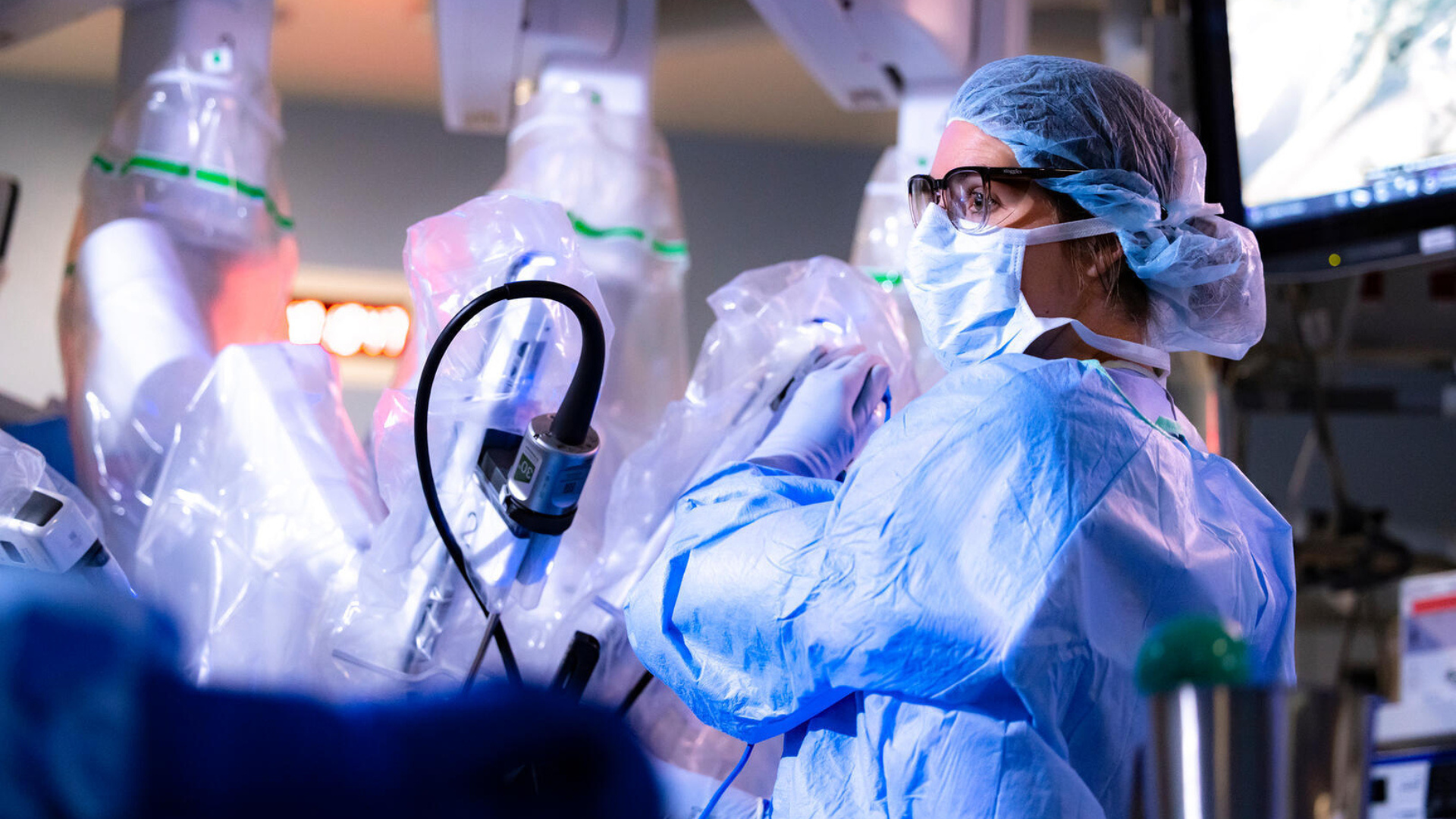
Today, Henning assists surgeons in the operating room as a certified surgical assistant, helping prepare patients for procedures and supporting surgical teams through complex cases. Her experience began with a program that has helped learners build careers in surgical practice while addressing a critical workforce need.
Since the first Surgical First Assistant cohort began its training in 2012, the program has graduated 170 surgical first assistants and established a proven pipeline of highly skilled professionals for Mayo Clinic and beyond. It maintains a 93% completion rate, with 85% of graduates accepting positions at Mayo Clinic. Graduates have also demonstrated exceptional success on certification examinations, including a 100% pass rate on the Certified Surgical Assistant exam.
The program is one example of how Mayo Clinic Education partners with the Practice to respond to critical workforce needs, developing the capabilities and internal career pathways that help Mayo continue to advance patient care.
Watching students grow into confident healthcare professionals
More than a decade ago, leaders at Mayo Clinic recognized a growing demand for certified surgical assistants but found no formal training pathway in Minnesota. Under the leadership of Sarah Penkava, Certified Surgical Assistant Program director, a multidisciplinary team developed what would become the state’s first certification program for certified surgical assistants, creating a new route into the profession for Mayo staff and external learners.
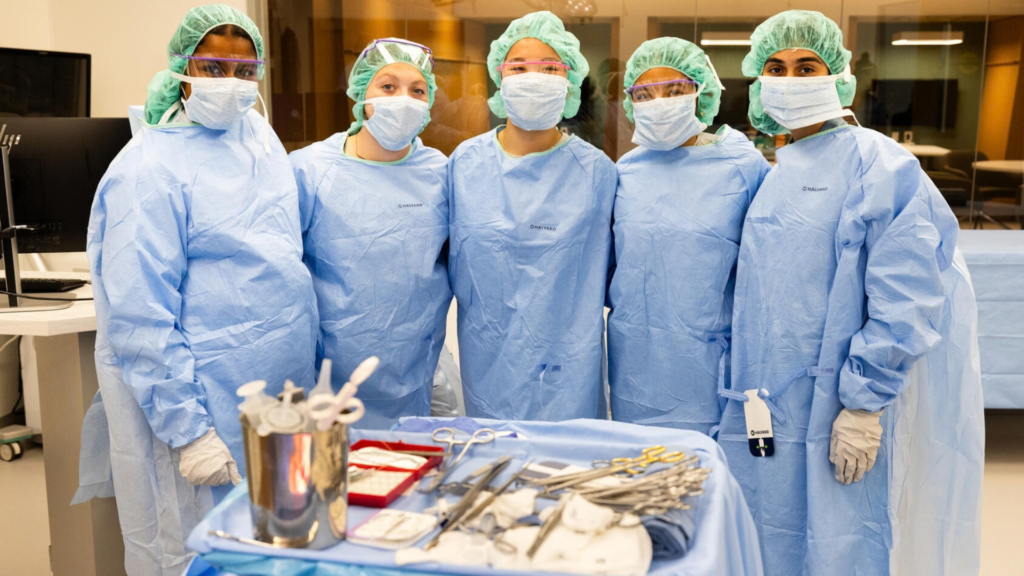
Through classroom instruction, simulation and hands-on training in the operating room, students gain an understanding of surgical procedures and the teamwork required to deliver exceptional patient care.
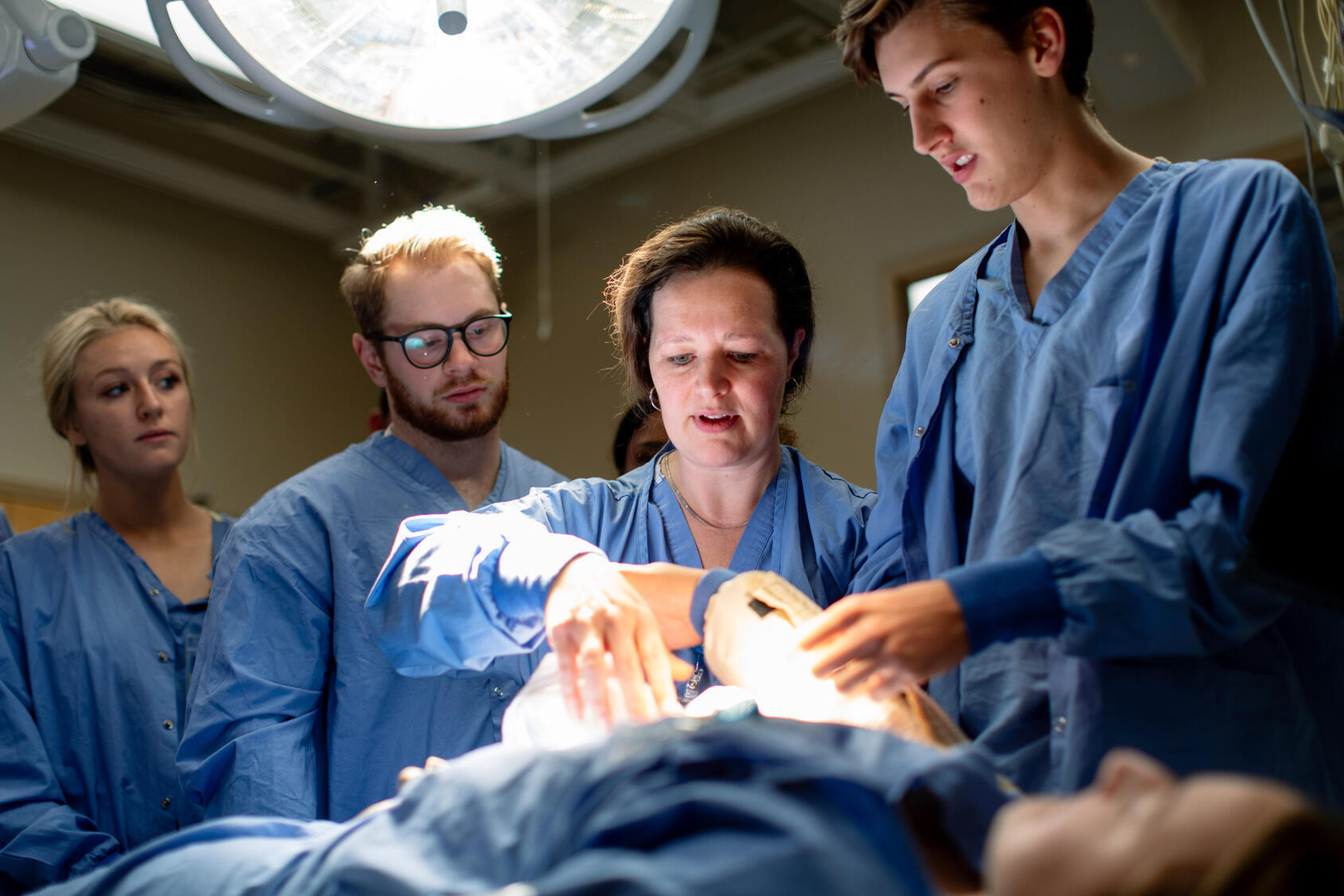
“[CSAs] fulfill a critical need, providing expert help and assistance to surgeons,” says Mark Sawyer, M.D., medical director of the Surgical First Assistant program. “They’re a critical component of what we do here, and they’re very, very good at what they do.”
Learners enter the program with a wide range of experiences, but all are challenged to take on increasing responsibility in the operating room as they develop the technical skills and clinical judgment required in surgical practice.
“One of my favorite things is seeing a student at the beginning of the program and then seeing them at graduation,” says Jessica Engen, education manager for the Surgical First Assistant program. “The transformation is incredible. They come in focused on learning new skills, but over time they gain confidence in their abilities and begin to see themselves as trusted members of the surgical team and as surgical professionals.”
That growth is something Kenzie Fiedler experienced firsthand. Before enrolling, she was looking for an opportunity to expand her skills while becoming more directly involved in patient care. Through her experience, she gained technical expertise and a deeper appreciation for the role certified surgical assistants play in supporting patients and surgeons during procedures.
Like many enrolled in the Surgical First Assistant Program, Fiedler was already a Mayo Clinic staff member before entering the program, working in Emergency Services. That internal pathway is one of the program’s greatest strengths, according to Dr. Sawyer.
“When you’re hired at Mayo and you’ve already proven yourself, that is a huge thing,” he says. “We know these individuals. We know how they’ve performed. We know they understand the Mayo culture and our expectations. It gives people a path to do something more with their career.”
Helping staff grow their careers while remaining at Mayo Clinic
The benefits extend beyond career advancement opportunities. The program helps develop talented surgical professionals who already understand Mayo Clinic’s values, patient-centered approach and commitment to teamwork. It also creates new opportunities for staff seeking to grow their careers within the organization.
Henning says the experience provided a pathway into a profession she continues to enjoy. She credits the program’s faculty, preceptors and clinical experiences with helping her build confidence in the operating room and prepare for the demands of the role. By the end of her training, she was managing cases with increasing independence and had developed a strong sense of belonging within the surgical team.
“What I first thought was a stepping stone led me into a career that I really enjoy,” Henning says. “Being an SFA is fast-paced and exciting. I get to participate hands-on in the operating room while still maintaining a work-life balance.”
More than a decade after its launch, the Surgical First Assistant Program continues to shape careers and strengthen surgical teams across Mayo Clinic. Its graduates can be found in operating rooms throughout the organization, supporting surgeons and helping deliver care to patients every day.
This article was originally published in the Mayo Clinic News Center.